Observation and experience
Document SLP observation and experience without collecting client details
Keep accurate hours, role descriptions, and verification records that you can use across applications.
HPD Editorial · Sources reviewed November 15, 2026 · 4 min read
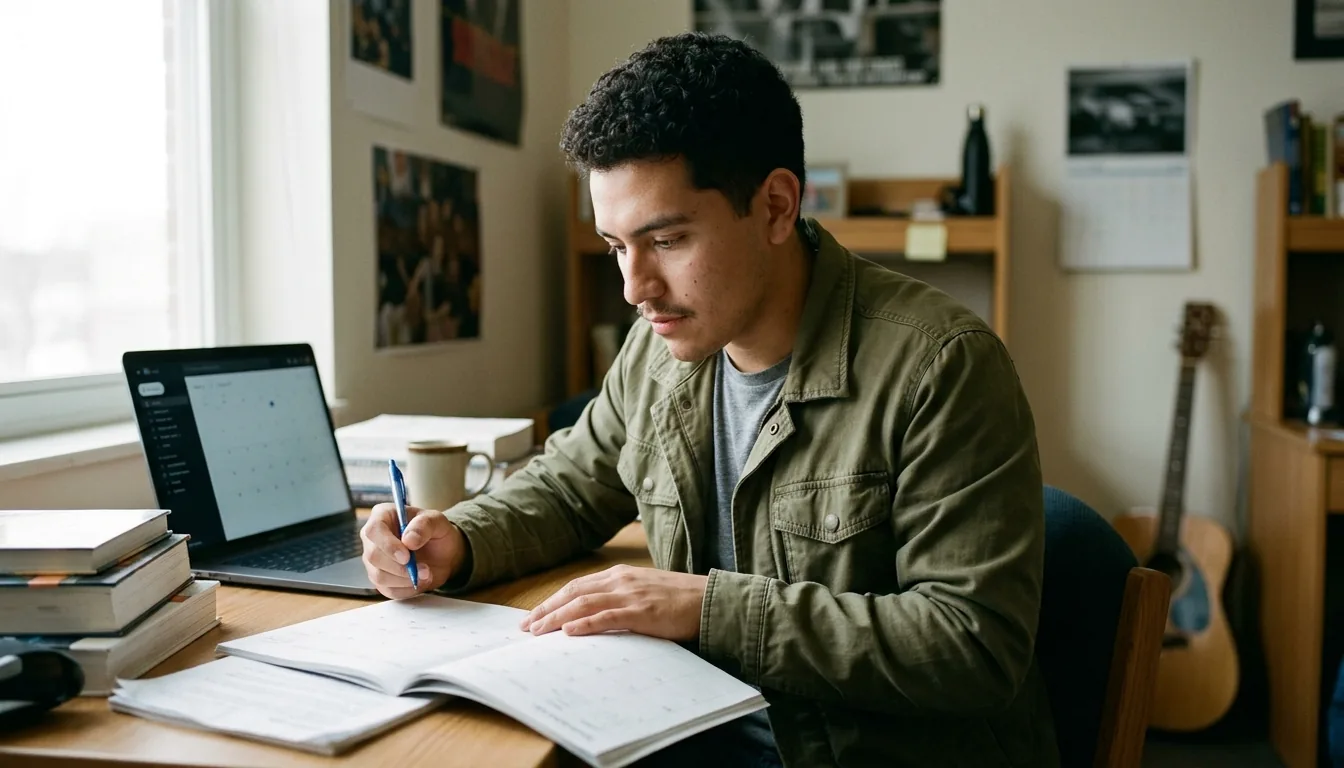
An experience log should help you explain what you did and produce the documentation a program requests. It should not become a collection of patient records or private stories. Set up the log before an experience begins so you know which details need verification and which should never enter your application notes.
Keep guided observation, informal shadowing, employment, volunteering, and research as separate categories. An activity can be valuable preparation without qualifying for a particular hour requirement. Ask the receiving school how to classify an unusual experience rather than choosing the category that appears most impressive.
Agree on documentation in advance
Ask the program for its required form or accepted verification method. Confirm who can sign, which supervisor details are needed, and whether a guided component or course affiliation must be documented. Then discuss the process with the person overseeing the experience before you start.
Do not assume you can obtain every signature years later. A supervisor may move or records may no longer be readily available. Retain completed forms in an organized personal folder and keep the original record unchanged. Your summary log can point to that document without replacing it.
Record actual participation
Useful fields include organization, role, dates, activity category, actual duration, supervisor, verification status, and a brief nonidentifying description. Distinguish planned hours from completed hours. If a session ends early or you are absent, record the time you actually participated rather than the scheduled duration.
ASHA's clinical-practicum FAQ explains that a clock hour is 60 minutes and shorter sessions cannot be rounded up to a full hour. That guidance concerns certification-related clinical records; use the school's instructions for the record you are preparing. In your own log, retaining minutes makes the arithmetic transparent and avoids accidental inflation.
A fictional record
A suitable planning entry might say: community clinic, observation, a particular date, 45 minutes, supervisor and verification form stored separately, observed how the clinician adapted instructions. It does not need the client's name, exact age, diagnosis, appointment time, or family details to explain the applicant's participation.
A separate reflection could describe a question the experience raised and what the applicant learned during an approved discussion. The reflection should stay about the applicant's learning. Removing a name alone may not make a distinctive personal story nonidentifying, so use broader descriptions when details are unnecessary.
Keep roles and claims aligned
If you observed, use observed. If you assisted with administrative tasks, describe those tasks. If you were employed in an authorized role, use the correct title and responsibilities. Do not convert ordinary employment into supervised graduate clinical experience or claim treatment responsibilities you did not hold.
When one event is relevant to several applications, reuse its factual record without adding the hours together as if they were separate events. A school association is not a new experience. Keep one underlying record and note where it was reported, along with any school-specific classification.
Protect access to your records
Store verification documents and contact information in a private location with appropriate account protection. Share only what an application or authorized reviewer needs. Avoid putting the folder into a publicly accessible link simply because that makes uploading convenient. Check access settings before including any document link.
Do not collect photographs, recordings, clinical notes, or assessment materials for your admissions portfolio unless the responsible institution has expressly authorized the relevant use. Follow the site and university's procedures for any required documentation. The safest ordinary application record is usually a concise account of your own participation and learning.
Reconcile before submitting
Compare the log with signed forms and application entries. Resolve missing signatures or inconsistent dates early. Mark unverified records honestly and ask the school whether an alternative record is acceptable. A clean total is less important than a total supported by accurate documentation.
After submission, preserve the exact experience summary you reported. Future updates should add new activity or correct errors transparently, so you can explain changes if a program asks.
Sources & further reading
School policies can change. Confirm the requirements for your program, pathway, and application cycle. Illustrations do not depict named programs or applicants.